
What Actually Gets Built When Indonesia Talks About Infrastructure
Most people look at the news clips of presidents cutting ribbons on bridges and assume the hard part is finishing construction. It isn't. The hard part is everything that happens before the first pile driver hits the ground and every broken promise that comes after. I spent several years working on transport and logistics planning across Java and Sumatra, and the gap between the official master plan and what actually reaches the ground is where most projects either succeed quietly or fail loudly. The idea is straightforward. Indonesia has roughly 17,000 islands, a growing population concentrated in urban corridors, and a history of underinvesting in physical connections. Roads that don't connect. Ports that can't handle container volume. Power grids that trip during peak demand. Fix those bottlenecks and the rest of the economy moves faster. That's the theory. The practice is messier. Indonesia's infrastructure pipeline runs through a few overlapping systems. There's the national long-term plan called RPJP, the mid-term version called RPJM, and then the annual ministry budgets that actually release funding. Projects get assigned to either Kementerian PUPR for public works, the energy ministry for power, or state-owned enterprises for ports and rail. Cross-ministerial coordination is mandatory on paper. In practice, it usually means three separate meetings before anyone agrees on a timeline.
I once tracked a highway expansion in West Java from the feasibility study stage through to groundbreaking. The feasibility study alone took fourteen months because the environmental impact assessment needed clearance from three different provincial offices, each with different data requirements. By the time the contractor mobilized, the local government had revised the land acquisition compensation rates twice, which added roughly six months and about eight percent to the final cost. This is normal, not exceptional.
Where The Real Work Happens
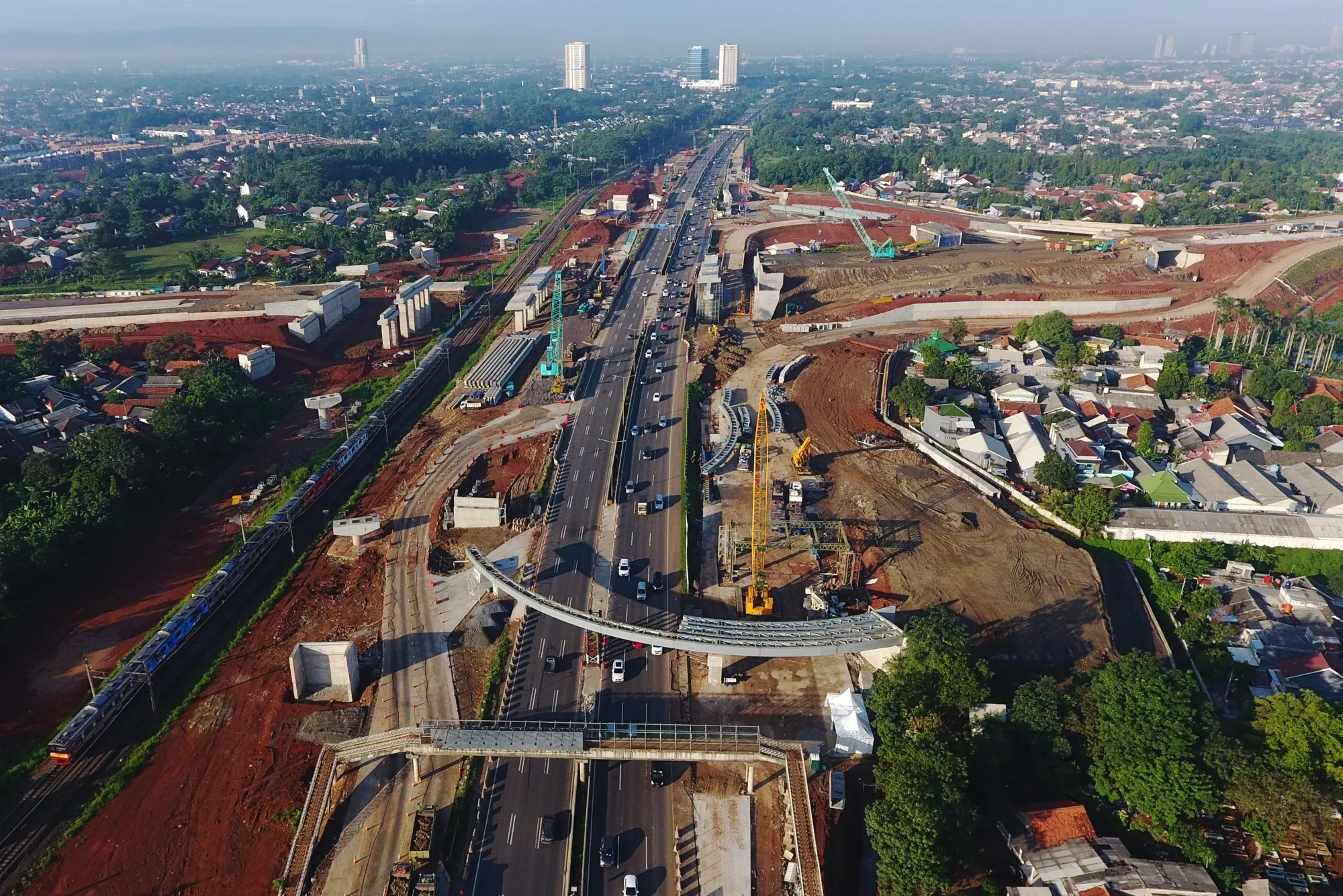
Land acquisition is the single biggest bottleneck. Indonesia's land law allows the state to acquire land for public interest projects, but the process requires notification, verification, and compensation agreements with every registered owner. In densely populated areas like the Jakarta-Bandung corridor, a single kilometer of road can touch hundreds of households and several small businesses. I've seen projects stall for two years waiting on compensation signatures. The workaround I learned to use was early engagement with local community leaders and village heads before the official notification period. Getting informal buy-in from the right people cut acquisition timelines by about forty percent on a port access road project near Semarang. The second choke point is utility relocation. Underground cables, water mains, gas lines, and telecom fiber all have to be moved before any civil work begins. The utility companies involved are often state-owned and operate on their own schedules. On a toll road project near Surabaya, we spent three months waiting for PLN to relocate a high-voltage line that had been mapped incorrectly on the original survey. The lesson here is simple: verify utility locations with actual field surveys, not just existing maps. The maps are usually wrong.
Get the Full Details
Financing And Who Actually Pays
Indonesia funds infrastructure through a mix of state budget allocations, local government budgets, built-operate-transfer contracts, and increasingly, infrastructure bonds. The APBN allocation for infrastructure has hovered around ten to twelve percent of total spending in recent years. That amount covers maintenance and a fraction of new projects. The rest relies on private participation or state-owned enterprise investment. A few things that most people miss about financing: Revenue forecasting on toll roads and airports is consistently optimistic. Traffic projections used in financial models tend to run fifteen to thirty percent higher than actual volumes in the first five years of operation. This isn't always intentional misrepresentation. It's often a product of using growth rates from national traffic models without adjusting for local market conditions. When revenue falls short, the government sometimes steps in with viability gap funding, which shifts risk back to the public sector anyway.
Another underappreciated factor is currency risk. Many infrastructure contracts are denominated in rupiah but financed with dollar-denominated debt. When the rupiah depreciates, debt service costs rise. The government has tried to mitigate this through hedging programs and rupiahbond issuance, but the hedge coverage is rarely complete. For foreign investors, this means the return profile changes significantly depending on exchange rate movements over the construction period.
Construction Realities
The construction phase introduces its own set of problems. Rainy season delays are predictable but routinely underweighted in schedules. A project on Kalimantan scheduled for twenty-four months of construction typically loses four to six months to weather. Smart planners front-load earthworks and foundation work during the drier window and push finishing work into the rainy period. It doesn't eliminate delays, but it reduces the chance that rain stops critical path activities. Material sourcing is another issue. Cement, steel, and asphalt prices vary significantly between Java and outer islands. Transporting materials to remote sites can double the landed cost. On a bridge project in East Nusa Tenggara, the steel reinforcement had to be shipped from Surabaya and then trucked through mountainous terrain. The delivery cost alone accounted for nearly twenty percent of the material budget. Pre-fabrication in Java and shipping completed sections reduced that cost by about thirty-five percent on a follow-up project.
Where The System Falls Short
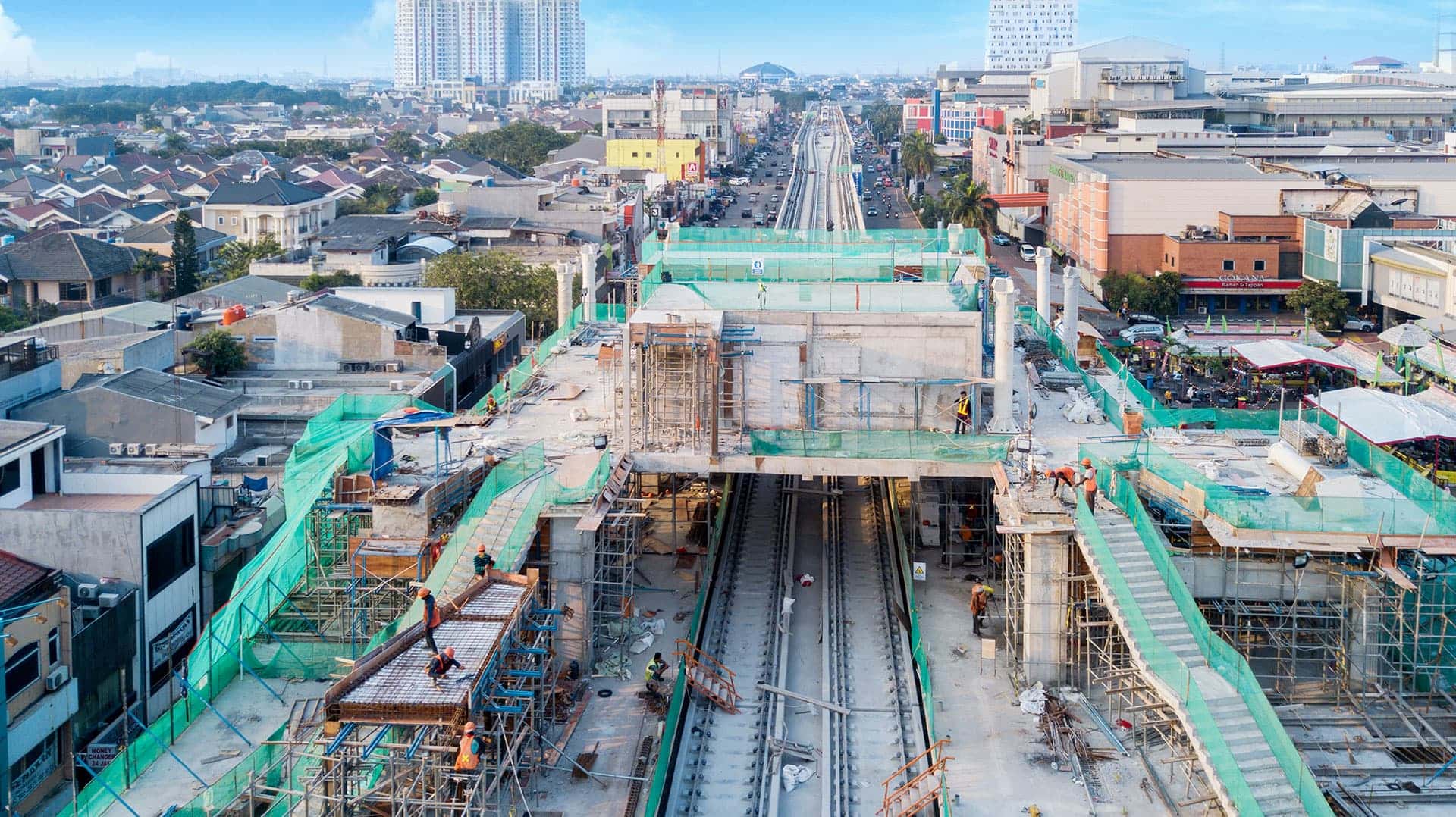
No honest assessment ignores the failures. Maintenance backlogs are severe. Roads that look fine during ribbon-cutting ceremonies often develop potholes within eighteen months because the annual maintenance allocation doesn't cover actual deterioration rates. Drainage systems are designed for historical rainfall patterns that are no longer accurate. Climate change has shifted precipitation patterns across the archipelago, and many drainage projects were sized for old data. Flooding in Jakarta and several other cities is partly a design problem, not just a management problem. Procurement delays also deserve mention. The e-procurement system called LPSE has improved transparency, but it hasn't eliminated delays. Bid evaluation takes time. Objections from losing bidders trigger review periods that can pause a project for weeks. I've seen a railway signaling contract stall for eleven weeks because a bidder challenged the scoring methodology. The challenge was eventually dismissed, but the delay had already pushed the project past its seasonal window.
What Actually Moves The Needle
Despite all the friction, several projects demonstrate that infrastructure can deliver real economic impact when executed properly. The Jakarta-Bandung high-speed rail, despite cost overruns and delays, has reduced travel time between the two cities from over three hours to roughly forty minutes. Port development at Tenau in East Java and the new industrial port in Konawe, Sulawesi, have each cut shipping transit times for their catchment areas by measurable amounts. The trans-Sumatra toll road network has reduced inter-city trucking times by an estimated twenty to thirty percent on completed sections. The counter-intuitive insight most beginners miss is that the largest economic returns don't always come from the biggest projects. A well-placed rural access road that connects farming communities to market towns can generate returns comparable to a major highway because it unlocks economic activity in areas that previously had no viable connection. The ROI calculation looks different, but the impact per dollar spent is often higher. Another thing worth noting: digital infrastructure and physical infrastructure are now interdependent. A new toll road means less if the logistics companies serving it can't track shipments in real time. Fiber optic deployment along road corridors, smart traffic management systems, and port community systems all amplify the value of physical assets. The best infrastructure projects I've seen treat digital components as integral, not optional add-ons.
Practical Takeaways
If you're evaluating or working on infrastructure projects in Indonesia, here's what actually matters based on experience rather than theory: Start with land and utilities. Get field verification done before the detailed design phase. Budget extra time for utility relocation even when surveys look clear. Adjust revenue forecasts downward. Apply a fifteen to twenty-five percent haircut to traffic and usage projections in your financial model. It will make your numbers look conservative, but conservative is better than surprised.

Schedule around weather. Map out the monsoon patterns for your specific region. Earthworks and foundations in dry months. Finishing and systems work in wet months. Don't fight the calendar. Plan for maintenance. Any project that doesn't include a committed long-term maintenance budget is a project that will degrade. Factor OPEX from day one, not five years later when something breaks. Track currency exposure. If you're working with foreign financing, understand your hedge coverage and what happens if the rupiah moves against you by ten or fifteen percent over two years.


