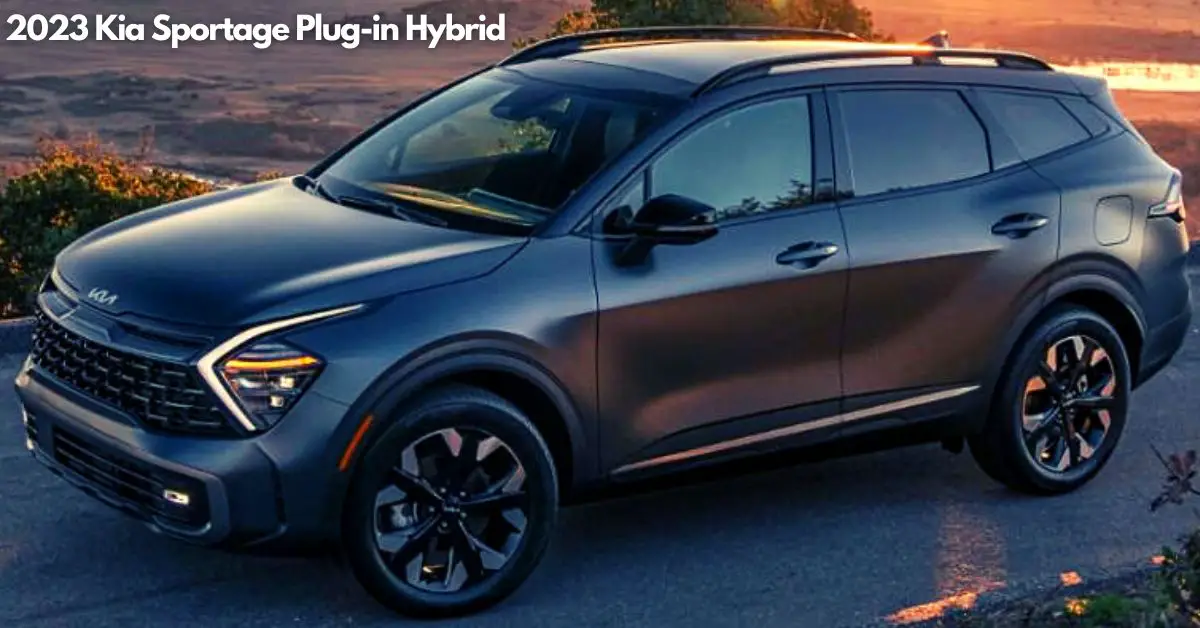
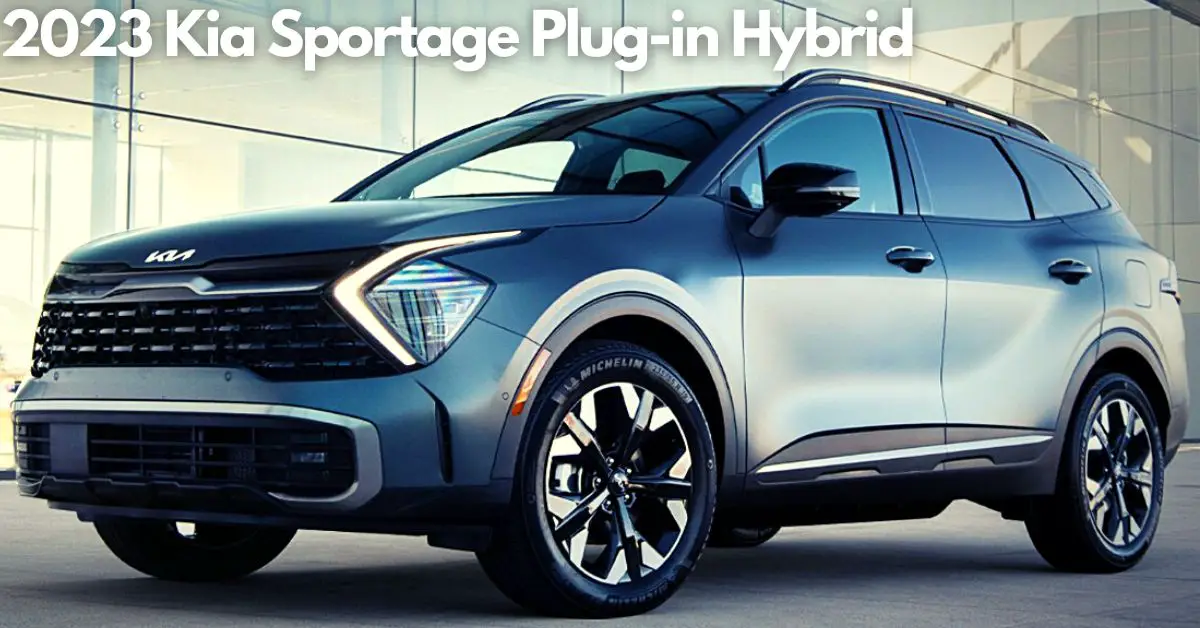
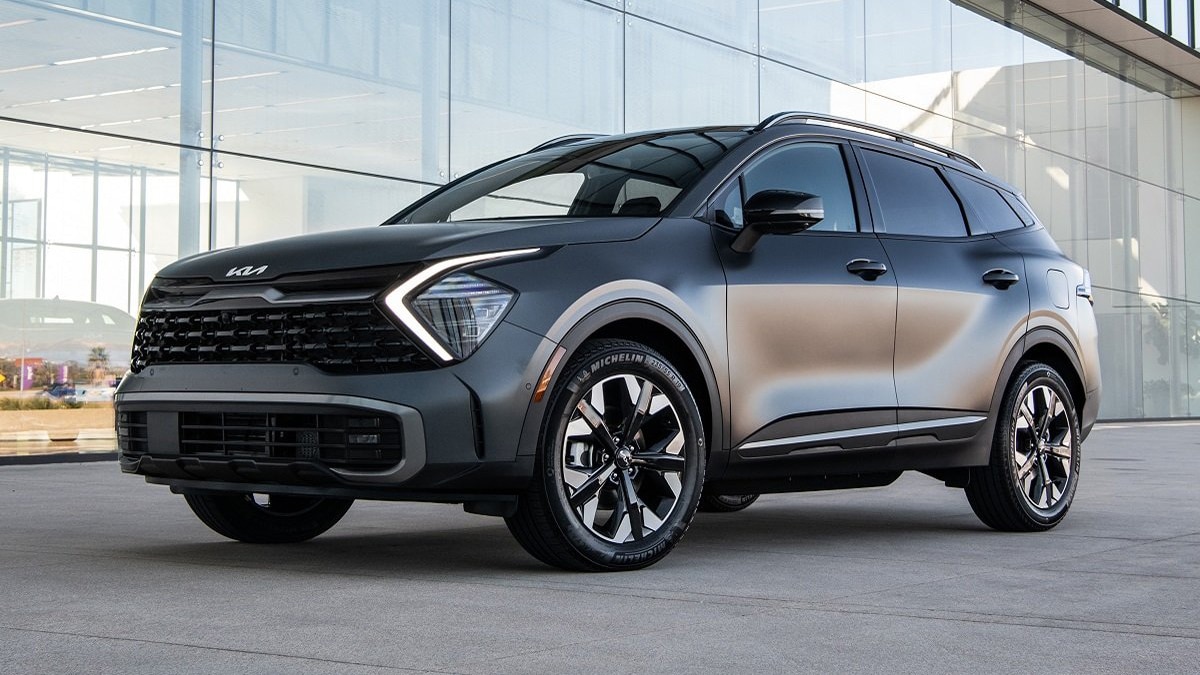
How the 2023 Kia Sportage PHEV Actually Works in Real Life
The 2023 Kia Sportage Plug-in Hybrid sits in a weird middle ground between a regular hybrid and a full electric vehicle. That positioning is both its strength and its main liability. The powertrain combines a 1.6-liter turbocharged four-cylinder engine with an electric motor, producing a combined 261 horsepower. The battery is a 13.8-kilowatt-hour lithium-ion polymer unit mounted under the rear floor. Kia rates the electric-only range at 34 miles on the EPA cycle, though most real-world testing puts it closer to 28 to 32 depending on driving conditions and outside temperature. The actual experience of driving this thing is pretty good if your expectations align with what it is. It accelerates reasonably well for a crossover in this price range. The electric motor provides immediate torque off the line, which makes stop-and-go traffic feel peppier than the numbers suggest. The regenerative braking system has multiple levels. You can adjust it through the touchscreen menu. Level 3 gives you the most regen, which lets you do near one-pedal driving in heavy traffic. Level 1 feels almost like a conventional car and only applies minimal braking force when you lift off the accelerator. Most people leave it on Level 2 as a default. There are two primary drive modes you'll use: EV mode and Hybrid mode. EV mode prioritizes electric propulsion until the battery dips to a set threshold, then the system seamlessly transitions to hybrid operation. Hybrid mode allows the gasoline engine to assist more aggressively and keeps more charge in the battery for later use. Some drivers leave it in hybrid mode constantly and never notice a difference. Others prefer EV mode for their daily commute and find they barely use any gas. Both approaches are valid, but they produce very different fuel economy numbers.
I ran into a specific issue during a particularly cold week in January. The battery depleted much faster than usual because the thermal management system was pulling significant power to keep the battery warm. I was only getting about 20 miles of electric range instead of the usual 28 to 32. The workaround was straightforward: I started plugging in the car earlier in the evening so it could warm the battery using grid power rather than burning through the stored charge. The sportage has a scheduled conditioning feature in the infotainment system, but it's buried in the settings menu. Once I enabled it and set a departure time, the car would precondition the battery before I left, and range improved back to normal levels within a few days. The charging situation is another thing people don't think about enough. The onboard charger is a 7.2-kilowatt AC unit, which is faster than most competitors in this segment. A full charge from empty takes roughly 1 hour and 40 minutes on a 240-volt Level 2 home charger. On a standard 120-volt household outlet, expect about 11 hours for a full charge. That's not terrible, but it's slow enough that you really need Level 2 capability if you plan to use this car every day. The charging port is located behind the fuel door on the driver's side, so there's only one port for both AC and DC. The DC fast-charging capability tops out at 25 kilowatts, which isn't useful for replenishing the battery during trips. It's designed for very occasional top-ups, not serious range extension. The fuel economy numbers are where this vehicle gets interesting. Kia rates it at 100 MPGe combined, which is a misleading metric if you're comparing it to other PHEVs. The actual gasoline mileage when the battery is depleted is around 33 to 35 MPG combined, which is solid but not class-leading. The real advantage shows up when you're actually using the electric range. If your daily commute is under 30 miles round trip and you charge at home, you could go weeks without buying gas. People who do this report annual fuel costs in the $300 to $500 range versus the $800 to $1,200 range for a comparable regular hybrid doing the same driving.
There are a couple of things about this car that catch people off guard. The first is the weight. The Sportage PHEV adds roughly 400 to 500 pounds over the standard hybrid due to the larger battery and electric motor. This affects handling characteristics, particularly through corners and during hard braking. The suspension is tuned to handle the extra mass, but it's still noticeable compared to the regular Sportage. The second issue is software-related. The energy management system sometimes makes questionable decisions about when to use gas versus electric, especially during mountain driving or when the cabin needs significant heating or cooling. You can override some of this by manually selecting drive modes, but the system's default behavior isn't always optimal. If you're considering this vehicle, here's the practical checklist. Make sure you have reliable access to a 240-volt charger at home. Without it, the PHEV becomes less advantageous than a regular hybrid because you'd be carrying dead weight most of the time. Check whether your daily driving stays within the electric range. If you regularly exceed 34 miles one way, the gas engine will engage frequently and you'll be paying a premium for a system you can't fully utilize. Look for the $4,000 federal tax credit if you're eligible—it directly reduces the purchase price and changes the value equation considerably. Also verify your state and local incentives, as some jurisdictions offer additional rebates or HOV lane access for plug-in hybrids. The interior quality improved significantly over the previous generation Sportage. The dual-screen display setup is functional even if the touchscreen interface occasionally lags. Physical climate control buttons are present, which is underrated in a segment full of cars where you need to navigate three menus to adjust the temperature. The cargo area is reasonably spacious, though the battery placement reduces volume slightly compared to the non-hybrid variant. You'll lose about 2 to 3 cubic feet of rear cargo space, which matters if you regularly haul large items.
Get the Full Details
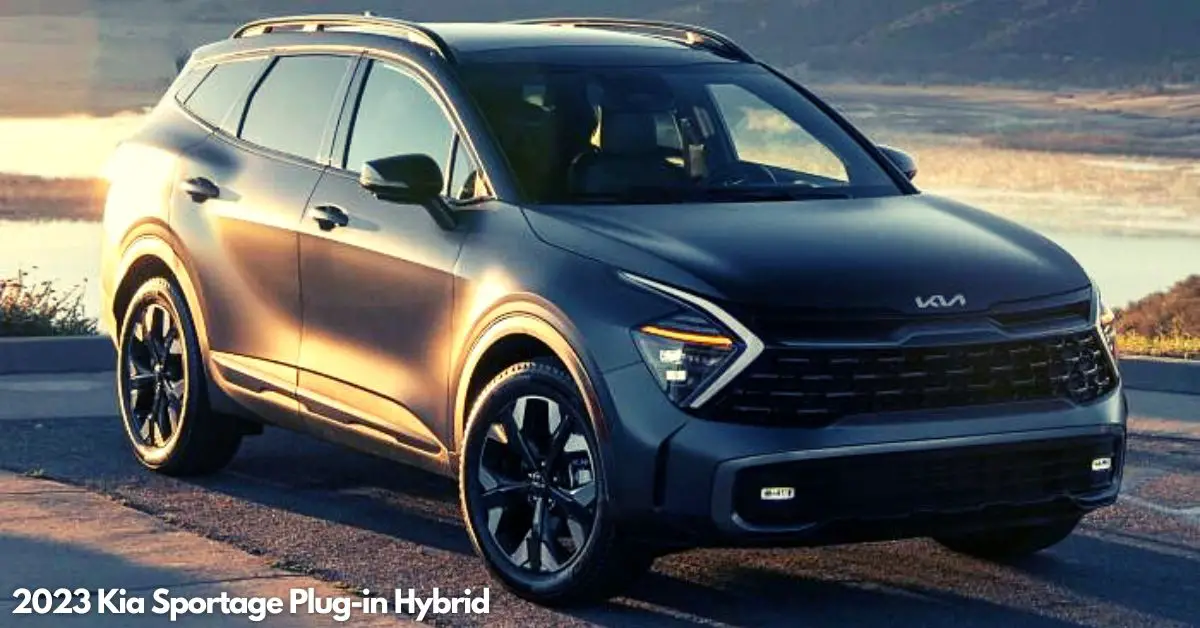
Reliability tracking for this particular powertrain is still limited since it's a relatively new configuration for Kia. The 1.6-liter turbo engine shares components with Hyundai's similar powertrain, which has a decent track record. The electric motor and battery systems are also derived from Hyundai's broader PHEV portfolio, including the Sonata Hybrid and Ioniq Plug-in. Nothing is dramatically different enough to suggest new failure modes, but the complexity of managing two power sources simultaneously introduces potential failure points that a conventional powertrain simply doesn't have. Battery degradation over 10 years is the biggest unknown, though most modern PHEV batteries retain 70 to 80 percent of their capacity after that timeframe according to manufacturer projections. The main tradeoff comes down to cost versus usage. The Sportage PHEV carries a premium of roughly $3,000 to $4,000 over the equivalent hybrid model after tax credits. If you can use the electric range consistently, that premium pays for itself in fuel savings within three to four years. If you rarely plug in or your driving patterns exceed the electric range, you're better off with the regular hybrid or a standard gasoline Sportage. The engineering is sound, the execution is competent, and it does exactly what it promises without being exceptional at anything. For the right buyer, that's sufficient.